
Ever walked into a home that just feels off, but you can’t quite explain why?
It’s rarely just about the colour of the walls or the cushions. The secret to a space that feels truly right lies in all the little home interior design details that quietly work together. It’s not just about making things Pinterest-worthy, it’s about creating a home that feels effortless, balanced and truly yours.
Estimated reading time: 6 minutes
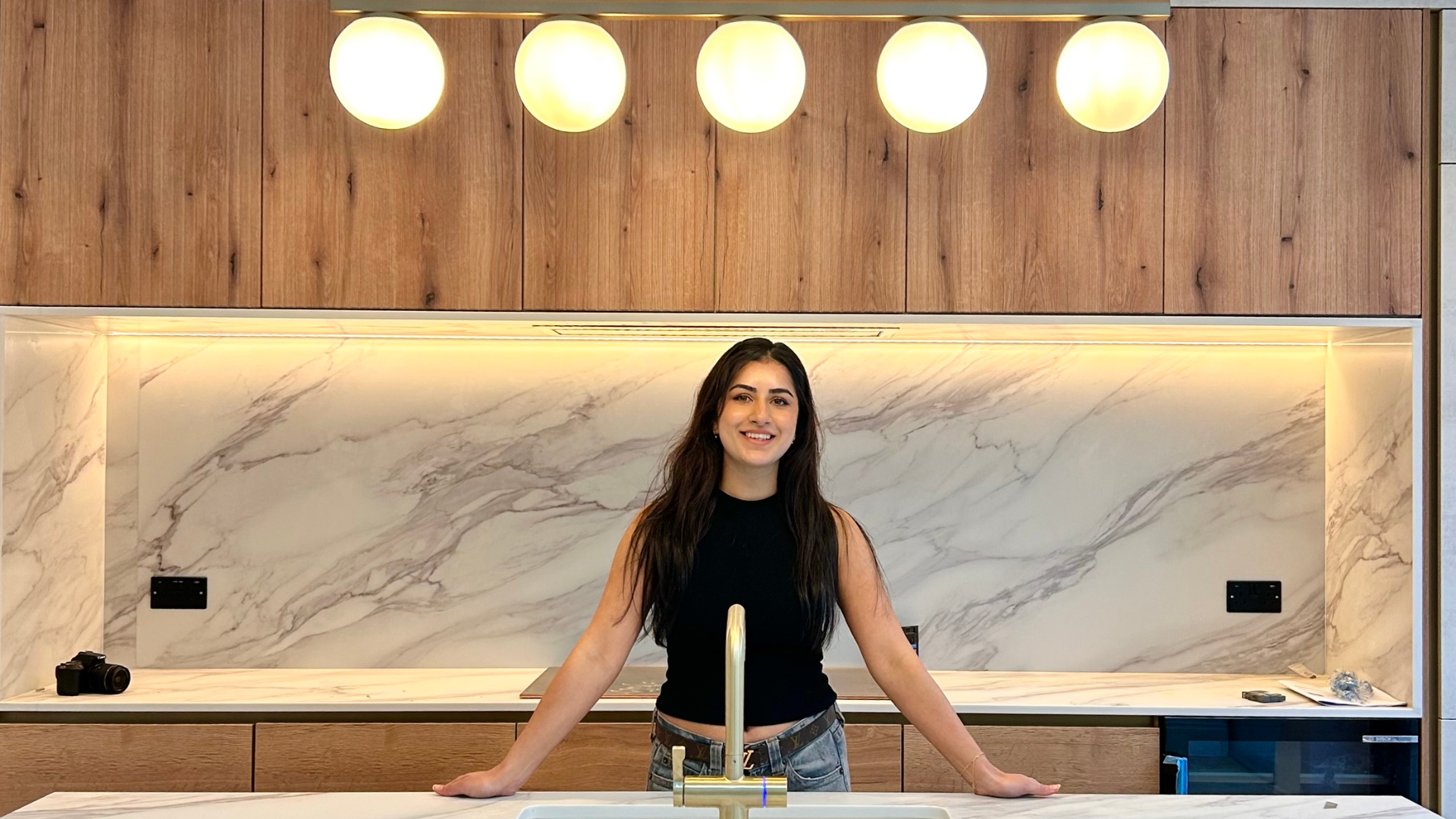
To help break it down, we asked Karisma Shoker, Senior Interior Designer and an Architect at Louis Vuitton, to share the principles and practical tips she uses when designing a home.
1. Stay true to your vision
Refine it, elevate it, sharpen it – but never dilute it. A strong vision is the anchor of every great project. Budget, space and practicalities will influence how your ideas come to life, but they should never erase it. Hold onto the heart of your concept, even if it means rethinking priorities along the way.
Top tip: Organise your vision
It can be easy to get carried away and collect hundreds of images on Pinterest, then become overwhelmed. Instead, sort your house inspo into three buckets:
- Must-haves: these are the non-negotiables, dream features and functionally what you don’t envision living without – usually related to layout (this could be kitchen island, 8 seater dining, dressing room, extra pantry, separate laundry room)
- Nice-to-haves: things that can flex depending on budget
- Decor
2. Plan your space around how you really live
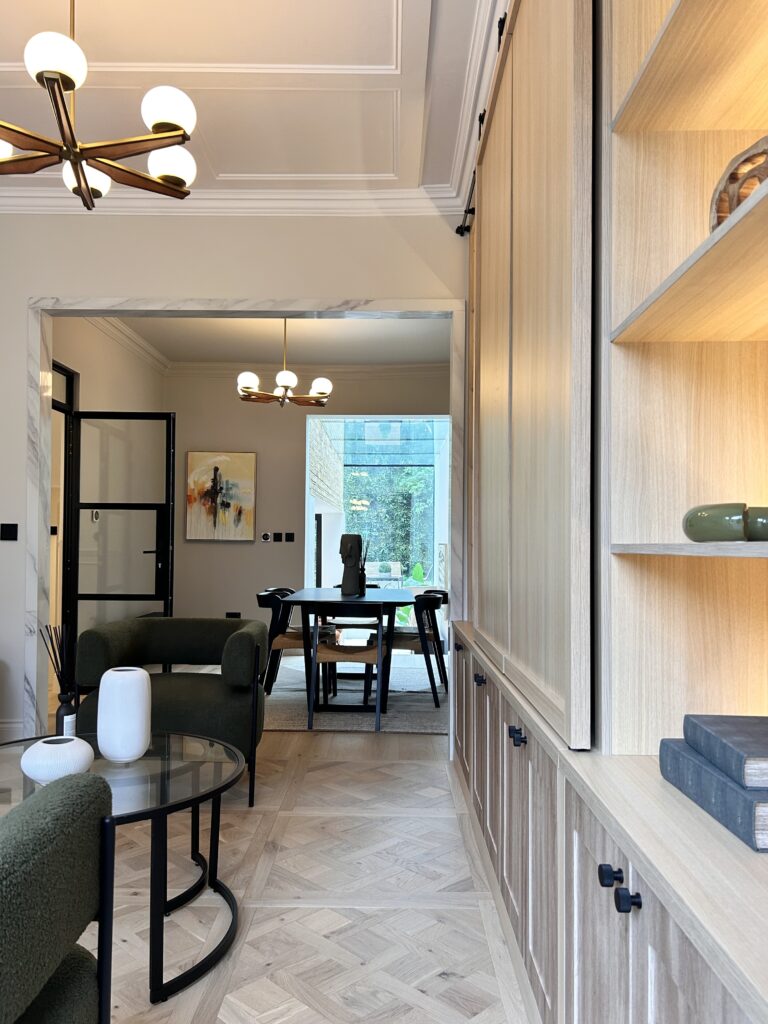
Think about your daily journey through a space: from the moment you wake up to the moment you leave the house, walk that route in your mind – where you reach for a light switch, where you grab your skincare, where you plug in your laptop, where clutter naturally lands. If something feels awkward, inconvenient or out of reach, redesign that touchpoint.
Top tip: Fix small frictions for a calmer home.
Create a layout that supports your everyday habits, so nothing jars or gets in the way. For example, if you always do a last-minute outfit check, a full-length mirror on the inside of a cloakroom door or by the entrance can make your morning routine feel that bit easier.
3. Make the most of daylight
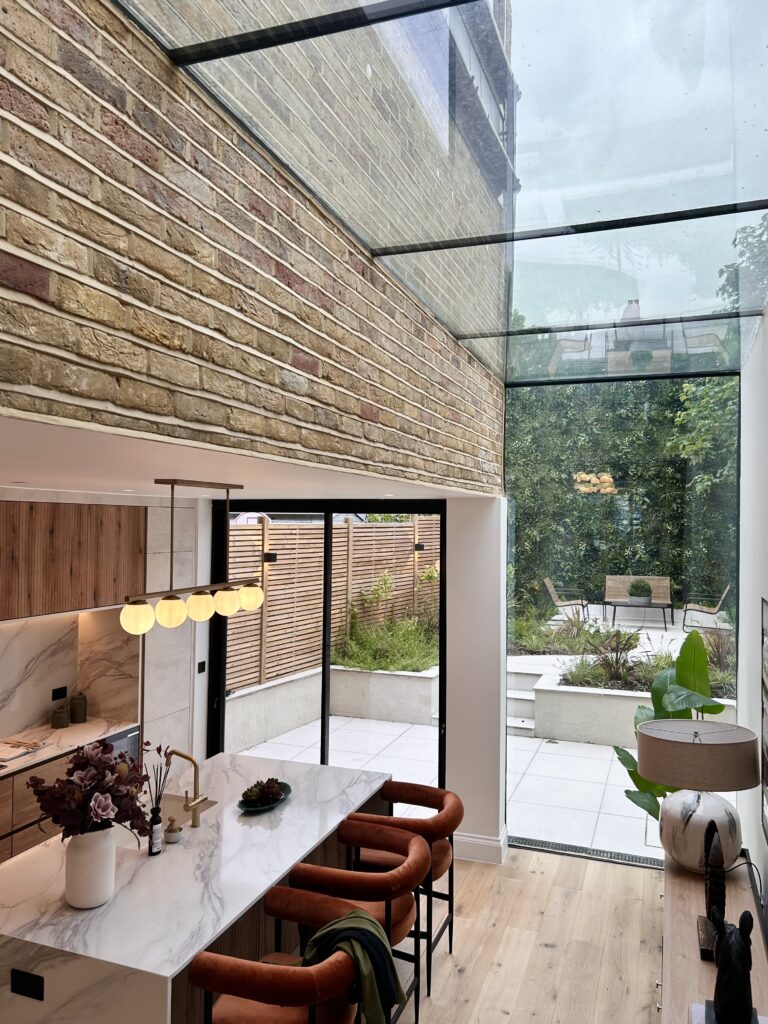
Nothing shapes your mood quite like natural light. Where sunlight falls in your home, and how it shifts throughout the day, can make a huge difference to how alive and balanced a space feels. If you can, design around daylight first, then layer in artificial light to complement it.
Position your main living or working areas where they’ll get the most natural light, and use mirrors or lighter wall tones to reflect daylight deeper into darker corners. If a room lacks sunlight, opt for warm, layered lighting that mimics natural daylight. It instantly boosts mood and balance.
Top tip: Find out which rooms are north vs south facing.
The same paint colour will look completely different depending on the light that hits it. South-facing rooms are easier, but for north facing rooms avoid blue and grey undertones as the light can make it feel dim and uninviting. Opt for warm undertones like taupes and creamy whites.
4. Create a sensory haven
It’s not just about what you see. It’s the soft-close handle you barely notice, the satisfying clunk of a quality door; thick, squishy carpet underfoot. Timber that softens footsteps, stone that stays cool, rugs that absorb echoes. The little – but very important – details that quietly create the right atmosphere and satisfy your senses.
The most beautiful homes aren’t defined by one standout feature, they’re built on layers. Texture, tone, scent, light and sound that come together to create depth and quiet harmony. These subtle details might seem invisible at first, but over time make the space feel effortless and put-together. That’s what makes a home unforgettable.
Top tip: Reduce noise travel between floors.
Add acoustic insulation beneath floorboards so footsteps don’t echo between floors and you get zero sound transfer. It’s one of those invisible details nobody notices
5. Perfectly balance the proportions
Proportion is so important for creating a harmonious space. Curtains hung too low, a light that’s off-centre, an awkward corner. Balance is invisible when it’s right, but obvious when it’s wrong. Get the scale sorted, and everything feels just right.
Top tip: Use panelling to visually lift the room.
On low ceilings, set your panelling lower than usual at around a third of the wall height. Keeping the lower portion shorter stretches the upper wall and makes the room feel taller. Use slimmer profiles too – chunky profiles visually cut the wall and shorten it.
6. Choose quality that lasts
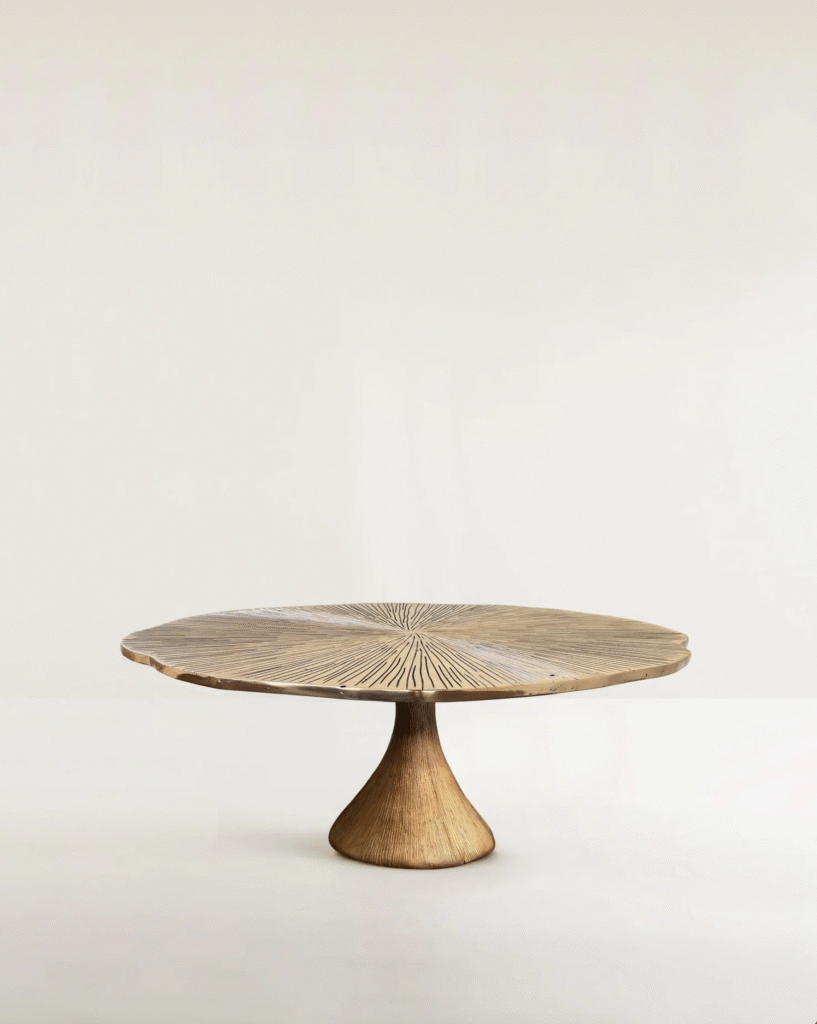
Materials, craftsmanship, details are the foundations of a home that stands the test of time. Remember: you’re not creating a Pinterest board, you’re creating a home to be lived in and loved. My favourite quality piece is this beautiful OnThe ‘Fun Guy’ coffee table from Hamrei
Top tip: Try vintage fairs for quality bargains
You can buy one off pieces and negotiate on price, or if you like to be a little creative, work with local craftsmen to make your own bespoke pieces. This makes a great unique story for your home.
Making a house your home
At Meet Margo, we believe a home should make sense on paper and feel good in your soul. We love interiors as much as you do, because finding your home and securing a mortgage is only the beginning of making it truly yours.
Ready to get on the property ladder or remortgage?
Speak to our mortgage experts here
Here at Meet Margo, we’re all about sharing helpful info and insights on all things mortgages and finance. But just a heads up, our blog isn’t regulated by the Financial Conduct Authority and is for general information only and – It’s not intended as financial advice. For the nitty-gritty financial stuff, it’s always best to speak to an expert.